
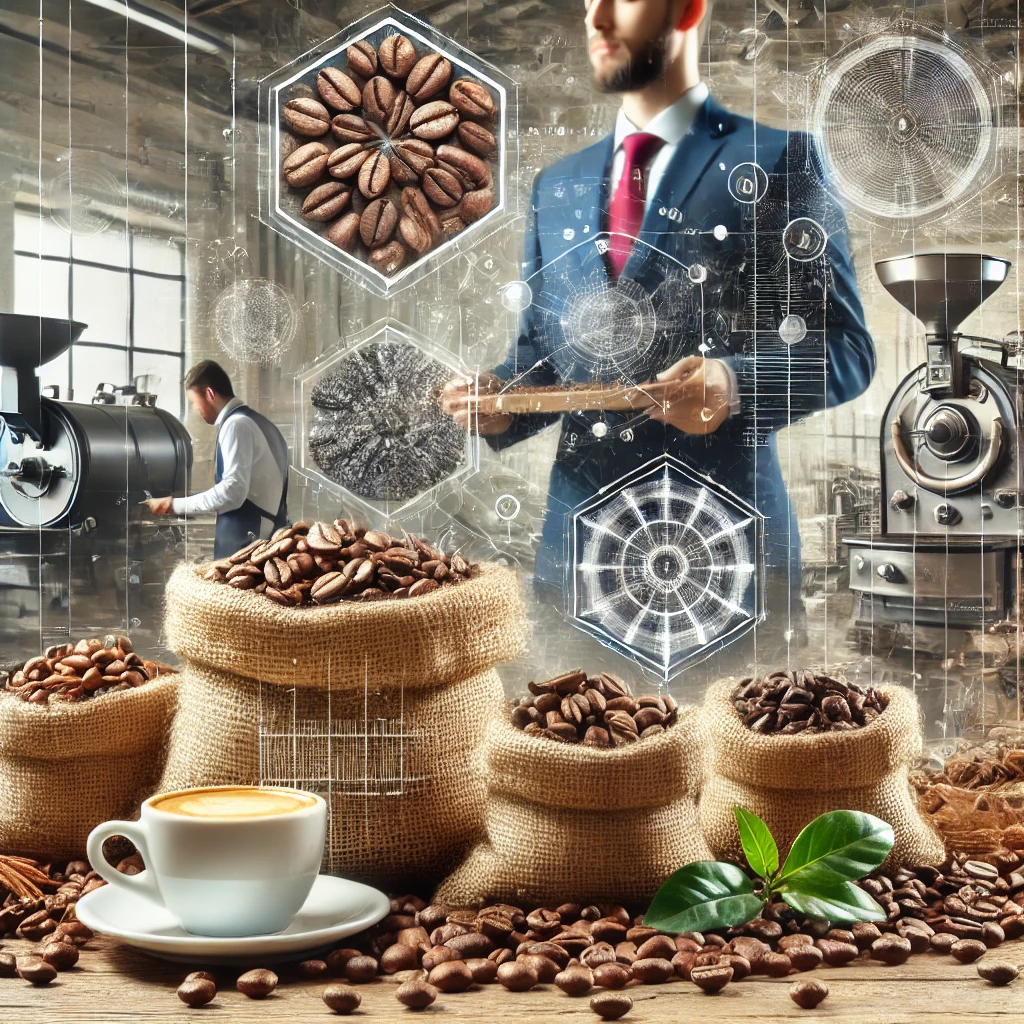
Coffee is one of the main commodities in the beverage industry. From small cafes to large-scale production, choosing the right type of coffee is essential to ensure the best quality and taste. Here is a guide to choosing coffee for the beverage industry.
1. Understanding Coffee Types: Arabica vs. Robusta
The two most common types of coffee used in the beverage industry are Arabica and Robusta. Both have different characteristics:
- Arabica: Has a more complex flavor with high acidity and a more fragrant aroma. Suitable for specialty coffees such as premium espresso or single-origin coffee.
- Robusta: Contains more caffeine, has a more bitter taste, and a thicker texture. Commonly used for instant coffee or espresso blends.
2. Choosing Coffee Bean Quality
- Single-Origin vs. Blend
Single-origin comes from a specific region and has a distinctive flavor character. Meanwhile, a blend is a mixture of several types of coffee to create a balance of flavors. - Grading and Defect-Free Beans
Make sure to choose coffee beans with minimal defects, as poor quality beans will affect the final flavor.
3. Coffee Processing Process
- Washed (Wet): The result is cleaner with brighter acidity.
- Natural (Dry): Tends to be sweeter and has a fruity taste.
- Honey Process: A combination of washed and natural, providing a balance between acidity and sweetness.
4. Roasting Level Selection
- Light Roast: Suitable for brewing methods such as pour-over and filter coffee.
- Medium Roast: Balanced between acidity and sweetness, often used in coffee milk or lattes.
- Dark Roast: More bitter with a strong body, suitable for espresso or tubruk coffee.
5. Consistency in Grinding and Brewing
For the beverage industry, consistency is key. Use a quality grinder and adjust the fineness of the grounds to your brewing method:
- Espresso: Very fine grind.
- French Press: Coarse grind.
- Drip Coffee / V60: Medium grind.
6. Considering Sustainability
The coffee industry is increasingly demanding sustainable practices, such as:
- Fair Trade and Organic Certification
Certified coffee is more in demand because it ensures farmer welfare and better product quality. - Source from Local Farmers
Supporting local farmers can boost the economy and maintain the unique taste of coffee.
Conclusion
Choosing coffee for the beverage industry is not just about taste, but also about quality, consistency, and sustainability. By understanding the types of coffee, the right processing, and brewing techniques, your coffee business can deliver high-quality products that customers love.
What do you think? Are you ready to choose the best coffee for your beverage busines